Appleton's Cyclopedia of American Biography, edited by James
Grant Wilson, John Fiske and Stanley L. Klos. Six volumes, New York: D. Appleton
and Company, 1887-1889 and 1999. Virtualology.com warns that these 19th Century
biographies contain errors and bias. We rely on volunteers to edit the historic
biographies on a continual basis. If you would like to edit this biographyplease
submit a rewritten biography in text form.
If acceptable, the new biography will be published above the 19th Century
Appleton's Cyclopedia Biography citing the volunteer editor
Virtual American Biographies
Over 30,000 personalities
with thousands of 19th Century illustrations, signatures, and exceptional life
stories. Virtualology.com
welcomes editing and additions to the
biographies. To become this site's editor or a contributor
Click Here
or e-mail Virtualology here.
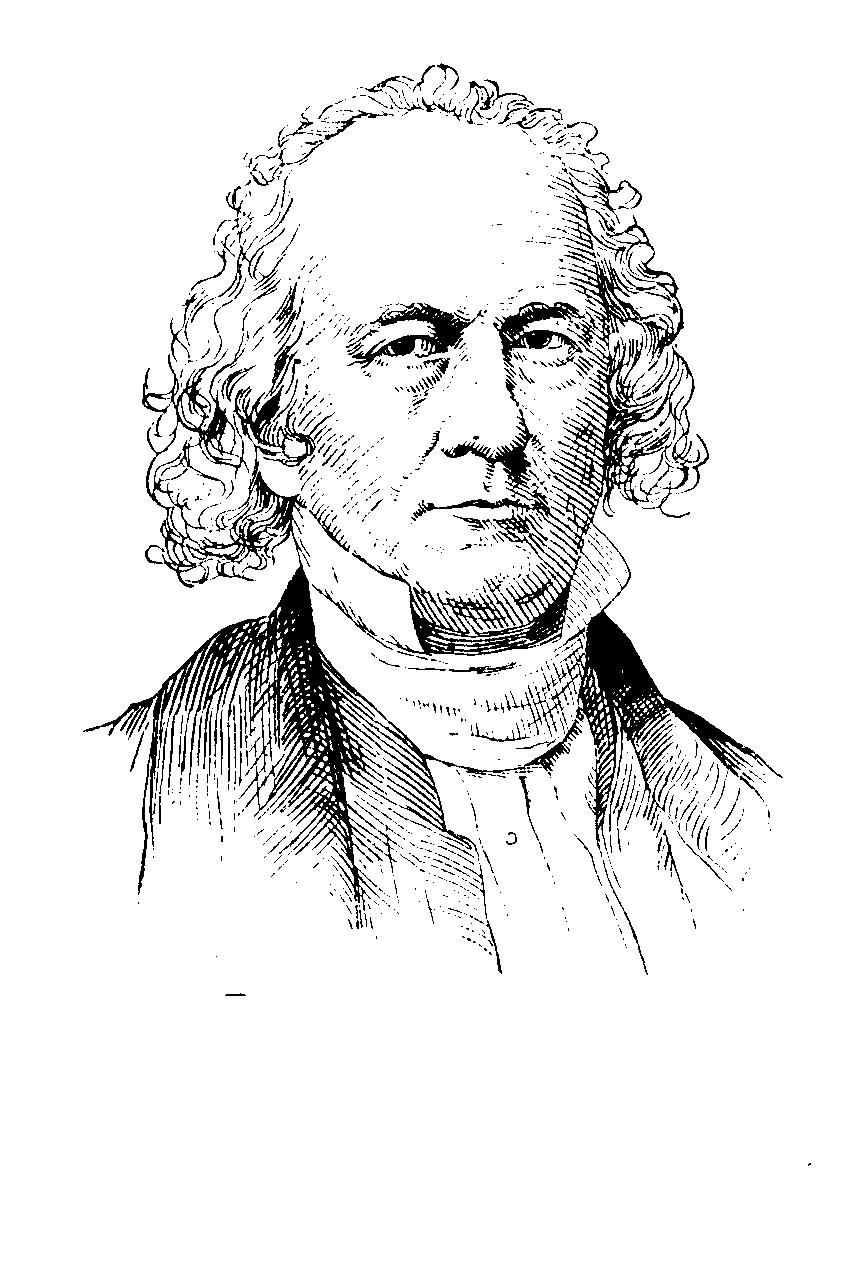
DOANE, George
Washington, P.E. bishop, born in Trenton, New Jersey, 27 May
1799; died 27 April 1859. He was graduated at Union in 1818, studied theology in
the General theological seminary, when, as he used to say, "the whole seminary
was accommodated in a second story room over a saddler's shop down town," and
ordained, by Bishop Hobart, deacon in 1821 and priest in 1823. He was associated
with the bishop as his deacon and assistant in Trinity Church, New York, and was
also interested with Bishop Upfold in founding St. Luke's, New York. In 1824 he
went to Hartford as professor in Washington (now Trinity) College, and during
his residence there began his lifelong interest and active energy in Christian
education according to the system of the Church. He gave a great deal of time
then, as he did later, to work in connection with the Church newspapers, editing
the "Episcopal Watchman" in connection with Dr. William Croswell, who was his
most congenial and beloved friend.
In 1828 he went to Boston to become the assistant to the
Rev. Dr. Gardiner, on whose death, in 1830, he was elected rector of Trinity
Church. He was intimately associated here with Dr. Croswell, who was then the
rector of Christ Church, Boston. In 1829 he married the widow of James Perkins.
He made his mark in that City as an eloquent and persuasive preacher, especially
in all matters connected with the missionary work of the Church. In 1832 he was
elected bishop of New Jersey, to succeed Bishop Croes, to which high office he
was consecrated in October of the same year, in St. Paul's chapel, New York. His
life from this time was largely associated with the diocese of New Jersey,
which, during his episcopate, comprised the entire state; and there was no
parish in it with which he was not familiar, and hardly a parishioner whom he
did not know and in whom he did not feel that strong personal interest which
grows out of greathearted sympathy, and belongs to that rare gift of remembering
faces and names and individual histories. He was prominent in everything that
concerned the general interest of the institutions of the Church, and
particularly those connected with its growth.
He had a large part in framing the old constitution of the
Missionary society, whose leading principles still survive through various
changes of form. His conviction of the great importance of Christian education,
and his influence as a Christian educator, led him to found St. Mary's hall,
which was really the first effort on a large scale to educate the Church's girls
in the Church's way. Subsequently he founded Burlington College, to do the same
work for boys. The former was the more successful of the two, and its great
spiritual power, both in the lives of those whom it educated and the pattern it
set, can hardly be overestimated. The establishment of these schools brought him
into serious financial embarrassments, which became afterward the nominal ground
not only for criticism, but also for serious accusations, and led to his
presentment and trial, the result of which was the unanimous dismissal of the
presentment. Bishop Doane's reputation as an orator was second only to the
estimation in which he was held as an educator and preacher. Many of his
addresses deal with the great questions of the day, in which, as a staunch
American and true patriot, he took the deepest interest. He was a spirited and
clever conversationalist, ready always to "give a reason for the hope that was
in him." especially when the authority of the Church was impugned.
He published numerous addresses, and a volume of poems with
the title "Songs by the Way" (New York, 1824). His son edited his "Life and
Writings," with a memoir (4 vols., New York, 1860-'1). Among the best known of
his fugitive poems, found in many collections, are "What is that, Mother?" "
Softly Now the Light of Day," and "Thou art the Way."
His son, George Hobart Doane,
domestic prelate, born in Boston, Massachusetts, 5 September 1830. He was
graduated in medicine at Jefferson College, Philadelphia, in 1850, but did not
practice. He then prepared himself for the ministry of the Protestant Episcopal
Church, was ordained deacon, and stationed at Grace Church, Newark. He entered
the Roman Catholic Church in 1855, was educated for the priesthood in the
College of St. Sulpice, Paris, and afterward in the Collegio Pio, Rome. He was
ordained priest in 1857, made secretary to Bishop Bayley, and then appointed
chancellor of the diocese of Newark. In 1873 he became vicar general. He was
raised to the rank of domestic prelate of the papal household, with the title of
monsignor, in 1886. He did much to place the American College in Rome on a solid
basis, and raised large sums in the United States for its support.
Another son, William Croswell
Doane, born 2 March 1832, was ordained deacon, 6 March 1853, and
priest, 6 March. 1856, by his father, in St. Mary's Church, Burlington, New
Jersey, in which Church he was first assistant to his father and then rector. He
established St. Barnabas free Church in Burlington, where he ministered for
three years, was rector of St. John's Church, Hartford, from 1863 till 1867, and
then rector of St. Peter's Church, Albany, in which Church he was elected first
bishop of the new diocese of Albany on 3 December 1868, and consecrated on 2
February 1869. He has organized the Cathedral of All Saints, in Albany, and
begun the erection of the building; has established the Sisterhood of the Holy
Child Jesus, for works of mercy and education in the Church; and founded St.
Agnes school for girls, and the Child's hospital, in Albany, with affiliated
houses for the care and training of children in Saratoga and East Line. His
publications consist chiefly of addresses, sermons, and fugitive verses, besides
the memoir of his father mentioned above, and a volume called "Mosaics for the
Christian Year."
DOANE, George Washington, P.E. bishop, born in Trenton, New Jersey, 27 May 1799; died 27 April 1859. He was graduated at Union in 1818, studied theology in the General theological seminary, when, as he used to say, "the whole seminary was accommodated in a second story room over a saddler's shop down town," and ordained, by Bishop Hobart, deacon in 1821 and priest in 1823. He was associated with the bishop as his deacon and assistant in Trinity Church, New York, and was also interested with Bishop Upfold in founding St. Luke's, New York. In 1824 he went to Hartford as professor in Washington (now Trinity) College, and during his residence there began his lifelong interest and active energy in Christian education according to the system of the Church. He gave a great deal of time then, as he did later, to work in connection with the Church newspapers, editing the "Episcopal Watchman" in connection with Dr. William Croswell, who was his most congenial and beloved friend.
In 1828 he went to Boston to become the assistant to the Rev. Dr. Gardiner, on whose death, in 1830, he was elected rector of Trinity Church. He was intimately associated here with Dr. Croswell, who was then the rector of Christ Church, Boston. in 1829 he married the widow of James Perkins. He made his mark in that City as an eloquent and persuasive preacher, especially in all matters connected with the missionary work of the Church. In 1832 he was elected bishop of New Jersey, to succeed Bishop Croes, to which high office he was consecrated in October of the same year, in St. Paul's chapel, New York. His life from this time was largely associated with the diocese of New Jersey, which, during his episcopate, comprised the entire state; and there was no parish in it with which he was not familiar, and hardly a parishioner whom he did not know and in whom he did not feel that strong personal interest which grows out of greathearted sympathy, and belongs to that rare gift of remembering faces and names and individual histories. He was prominent in everything that concerned the general interest of the institutions of the Church, and particularly those connected with its growth.
He had a large part in framing the old constitution of the Missionary society, whose leading principles still survive through various changes of form. His conviction of the great importance of Christian education, and his influence as a Christian educator, led him to found St. Mary's hall, which was really the first effort on a large scale to educate the Church's girls in the Church's way. Subsequently he founded Burlington College, to do the same work for boys. The former was the more successful of the two, and its great spiritual power, both in the lives of those whom it educated and the pattern it set. can hardly be overestimated. The establishment of these schools brought him into serious financial embarrassments, which became afterward the nominal ground not only for criticism, but also for serious accusations, and led to his. presentment and trial, the result of which was the unanimous dismissal of the presentment. Bishop Doane's reputation as an orator was second only to the estimation in which he was held as an educator and preacher. Many of his addresses deal with the great questions of the day, in which, as a staunch American and true patriot, he took the deepest interest. He was a spirited and clever conversationalist, ready always to "give a reason for the hope that was in him." especially when the authority of the Church was impugned.
He published numerous addresses, and a volume of poems with the title "Songs by the Way" (New York, 1824). His son edited his "Life and Writings," with a memoir (4 vols., New York, 1860'1). Among the best known of his fugitive poems, found in many collections, are "What is that, Mother?" " Softly Now the Light of Day," and "Thou art the Way."
His son, George Hobart, domestic prelate, born in Boston, Massachusetts, 5 September 1830. He was graduated in medicine at Jefferson College, Philadelphia, in 1850. but did not practice. He then prepared himself for the ministry of the Protestant Episcopal Church, was ordained deacon, and stationed at Grace Church, Newark. He entered the Roman Catholic Church in 1855, was educated for the priesthood in the College of St. Sulpice, Paris, and afterward in the Collegio Pio, Rome. He was ordained priest in 1857, made secretary to Bishop Bayley, and then appointed chancellor of the diocese of Newark.
In 1873 he became vicar general. He was raised to the rank of domestic prelate of the papal household, with the title of monsignor, in 1886. He did much to place the American College in Rome on a solid basis, and raised large sums in the United States for its support.
Another son, William Croswell, born 2 March 1832, was ordained deacon, 6 March 1853, and priest, 6 March. 1856, by his father, in St. Mary's Church, Burlington, New Jersey, in which Church he was first assistant to his father and then rector. He established St. Barnabas free Church in Burlington, where he ministered for three years, was rector of St. John's Church, Hartford, from 1863 till 1867, and then rector of St. Peter's Church, Albany, in which Church he was elected first bishop of the new diocese of Albany on 3 December 1868, and consecrated on 2 February 186§. He has organized the Cathedral of All Saints, in Albany, and begun the erection of the building; has established the Sisterhood of the Holy Child Jesus, for works of mercy and education in the Church; and founded St. Agnes school for girls, and the Child's hospital, in Albany, with affiliated houses for the care and training of children in Saratoga and East Line. His publications consist chiefly of addresses, sermons, and fugitive verses, besides the memoir <)f his father mentioned above, and a volume called "Mosaics for the Christian Year."
Unauthorized Site:
This site and its contents are not affiliated, connected,
associated with or authorized by the individual, family,
friends, or trademarked entities utilizing any part or
the subject's entire name. Any official or affiliated
sites that are related to this subject will be hyper
linked below upon submission
and Evisum, Inc. review.
Please join us in our mission to incorporate The Congressional Evolution of the United States of America discovery-based curriculum into the classroom of every primary and secondary school in the United States of America by July 2, 2026, the nation’s 250th birthday. , the United States of America: We The
People. Click Here