Appleton's Cyclopedia of American Biography, edited by James
Grant Wilson, John Fiske and Stanley L. Klos. Six volumes, New York: D. Appleton
and Company, 1887-1889 and 1999. Virtualology.com warns that these 19th Century
biographies contain errors and bias. We rely on volunteers to edit the historic
biographies on a continual basis. If you would like to edit this biographyplease
submit a rewritten biography in text form.
If acceptable, the new biography will be published above the 19th Century
Appleton's Cyclopedia Biography citing the volunteer editor
Virtual American Biographies
Over 30,000 personalities
with thousands of 19th Century illustrations, signatures, and exceptional life
stories. Virtualology.com
welcomes editing and additions to the
biographies. To become this site's editor or a contributor
Click Here
or e-mail Virtualology here.
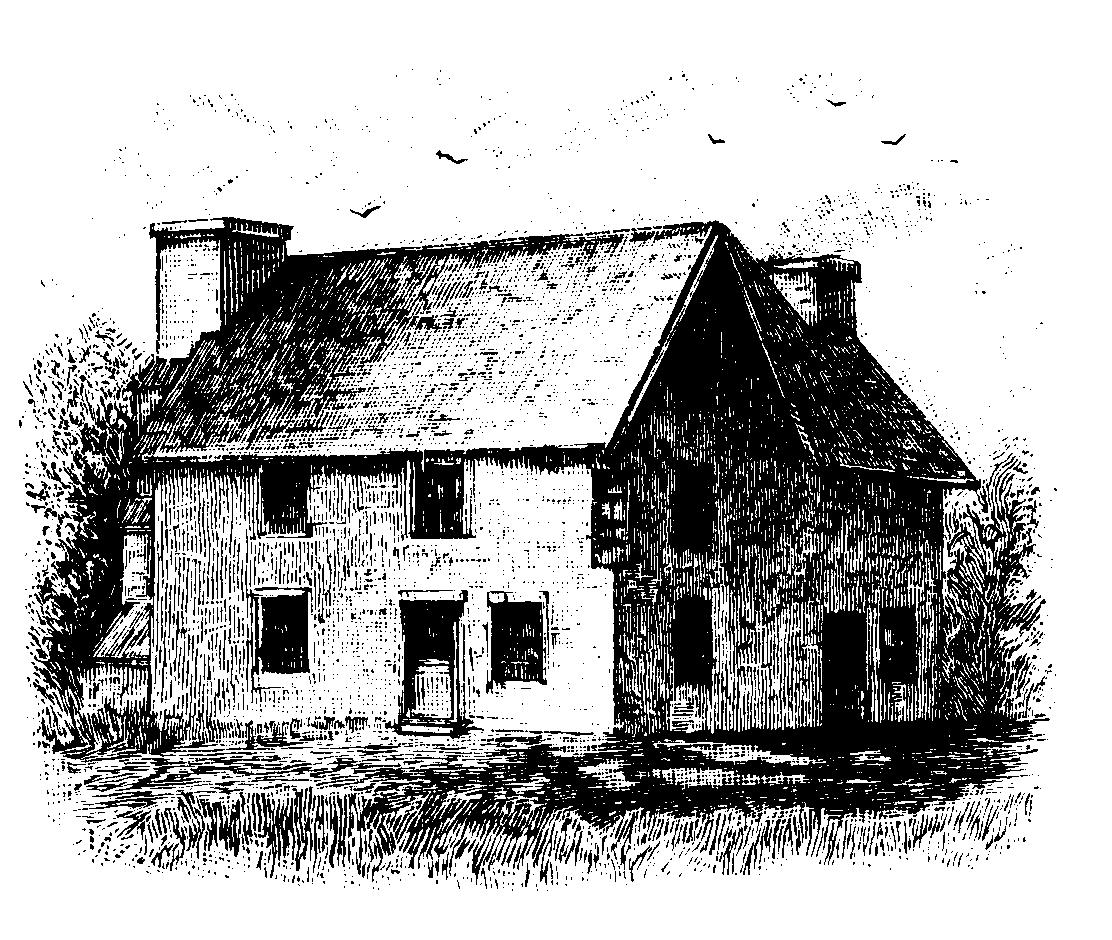
WHITFIELD, Henry, clergyman, born in England in 1597; died in Winchester, England, after 1651. His father, an eminent lawyer, had destined him for the same profession, and after leaving the university he was entered at the Inns of court, but he subsequently took orders and was minister of Ockham, Surrey, where he also maintained another clergyman out of his private income, that he might devote himself to missionary labors in the adjacent country. He was much beloved by the Nonconformists, whom he protected from persecution, and finally, after twenty years in the established church, he publicly joined them, and resigned his charge on being prosecuted for a refusal to read the "Book of Lawful Sunday Sports." Disposing of his personal estate, he came to this country with Governor Theophilus Eaton in 1637, accompanied by many of his former parishioners, and began the settlement of Guilford, Connecticut, the site of which he purchased from the Indians. The place was named for Guilford in Surrey, the native place of many of the colonists. In 1650 he returned to England, and, says Cotton Mather, "at the time of parting, the whole town accompanied him unto the water-side with a springtide of tears." On his return he became pastor at Winchester, England, where he probably remained until his death. Mr. Whitfield's residence in Guilford, known as the "old stone house," is shown in the illustration. It was built about 1639 to serve both as a dwelling and a fortification. According to tradition, the stone of which it is built was brought by Indians on hand-barrows across a swamp from Griswold's lodge, about eighty rods distant. The walls are three feet thick. The house was kept in its original form till 1868, when it underwent considerable renovation. Whitfield was the author of "Helps to stir up to Christian Duties" (London, 1634); "The Light appearing more and more toward the Perfect Day, or a Farther Discovery of the Present State of the Indians in New England " (1651); and "Strength out of Weakness, or a Glorious Manifestation of the Further Progresse of the Gospel among the Indians in New England" (1652). The last two works were reissued in Joseph Sabin's reprints (New York, 1865).
Unauthorized Site:
This site and its contents are not affiliated, connected,
associated with or authorized by the individual, family,
friends, or trademarked entities utilizing any part or
the subject's entire name. Any official or affiliated
sites that are related to this subject will be hyper
linked below upon submission
and Evisum, Inc. review.
Please join us in our mission to incorporate The Congressional Evolution of the United States of America discovery-based curriculum into the classroom of every primary and secondary school in the United States of America by July 2, 2026, the nation’s 250th birthday. , the United States of America: We The
People. Click Here